
What Is Alcohol Use Disorder?
According to the Diagnostic and Statistical Manual of Mental Disorders (DSM-5), alcohol use disorder (AUD) is a medical condition that impacts the bodily and emotional well-being of a person negatively.1
Alcohol use disorder has clear warning signs. These early signs can help identify when someone is struggling and may need support.
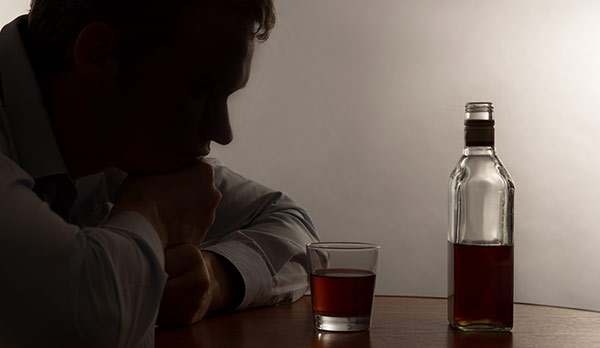
What Causes Alcohol Use Disorder?
Alcohol addiction doesn’t come from a one-time usage. The disorder progresses and, with repetition, grows into an issue. It’s the result of how biology, habits, and surroundings respond to drinking gradually.
Brain Chemistry and Genetics
Alcohol changes how the brain works. It increases brain chemicals involved in motivation and stress, which affect pleasure and stress.2 For some, this leads to a deep emotional sense of relief. If addiction runs in your family, you may be more vulnerable.
Mental Health
People often drink to cope with stress, past experiences, or depression. The brain slowly adjusts to repeated exposure. Alcohol use becomes a way to function, not just relax. This emotional dependence on previous mental health conditions drives repeated consumption.
Repetition and Tolerance
The more you drink, the more your brain expects it. You need more alcohol to feel the same effect. When you stop, withdrawal symptoms begin. People with alcohol use disorder often lose themselves in this cycle.
Environment and Stress
Life circumstances matter. High stress, poor support, or being around alcohol often increases risk. Drinking may seem like the only option to cope. This disorder affects many U.S. people, including many in Portland, Oregon.
At Tree House Recovery in Portland, we treat AUD by looking beyond the physical symptoms of addiction. We address the neurological, emotional, and social aspects of addiction to help with lifelong recovery.
Call our Oregon admissions office to learn more about our holistic treatment model for overcoming a substance use disorder.
How is an AUD Diagnosed?
If you’re questioning whether you might have an alcohol use disorder, you’re not alone. Medical professionals use specific clinical criteria to assess and diagnose AUD.
Individuals who are demonstrating the following patterns within 12 months may be suffering from alcohol addiction:
- Consumes high amounts of alcohol and drinks longer than intended.
- Persistent failure to decrease or stop alcohol consumption.
- People often devote a significant amount of time to drinking alcohol or recovering from its effects.
- Obtains an intense craving or desire to drink alcohol.
- Alcohol consumption is leading to poor work performance, impacting important areas of life such as relationships and daily obligations.
- Continues to consume alcohol, although there have been adverse outcomes in close connections and community settings.
- Withdrawing from significant work or family events to consume alcohol.
- Continues to drink alcohol despite being in physically hazardous situations.
- Alcohol consumption continues, although physical or mental repercussions have occurred or worsened.
- Tolerance increases, and individuals must consume alcohol in large amounts to attain the desired effect.
- Withdrawal symptoms occur without alcohol, and the person consumes more to relieve them.
Like many substance use disorders, healthcare providers separate AUD into three categories: mild, moderate, and severe. Healthcare providers determine the severity of alcohol use disorder by the number of symptoms that are present.
- Mild: Meets 2-3 symptoms out of 11 criteria
- Moderate: Meets 4-5 out of 11 criteria
- Severe: Meets 6 or more out of 11 criteria
When someone shows signs of alcohol use disorder, early intervention is critical. Seeking care from an addiction counselor in Portland, Oregon, can significantly improve the chances of long-term recovery.
What Are the Signs and Symptoms of AUD?
Alcohol Use Disorder (AUD) can worsen without treatment. People with alcohol dependence lose control over their drinking. They repeat harmful patterns and keep drinking despite the damage it causes.
When untreated, AUD harms the body, mind, and relationships. Recognizing it early improves the chances of recovery. Alcohol addiction often shows up in a person’s physical, emotional, and behavioral health.
What Can I Do If I Need Help for an Alcohol Addiction?
If you’re ready to overcome substance use, Tree House Recovery PDX offers an alcohol rehab that provides the tools and support to help you succeed. Our addiction counselors have life and professional experience to help you recover.
Tree House Recovery PDX provides clients a holistic approach utilizing fitness therapy, individual counseling, life-skills education, and more. A substance use disorder does not have to have its grip on you any longer.
What Do I Do if I Suspect My Loved One Has AUD
Supporting someone like a family member through alcohol addiction starts with clarity, care, and calm leadership. If you suspect a loved one is struggling, here are five steps rooted in both clinical insight and real-world impact:
Speak to What You’ve Observed, Not What You Assume
Avoid labels or diagnoses. Instead, use precise, factual observations: “I’ve noticed you’ve been drinking more often and not yourself lately.” This approach lowers defensiveness and opens space for honest conversation.
Address the Impact, Not Their Identity
Rather than saying, “I think you are an alcoholic,” describe how drinking is affecting their health and relationships. For example: “I’ve seen changes in how you’ve been feeling and energy levels, and I’m concerned.” Maneuvering through the conversation like this shifts the conversation from blame to awareness and makes change feel possible.
Lead With Actionable Support
When bringing up treatment, come prepared. Instead of vague advice, offer a concrete option: “I found a Portland-based program that you might be interested in. If you are open to it, I would love to go with you to support you.” Removing barriers, even small ones, makes a difference.
Establish Boundaries That Reflect Respect for Both of You
Compassion is not the same as enabling. Be clear about what you will tolerate and what needs to change. Boundaries are not punishments; they’re commitments to your and their well-being.
Prioritize Your Self-Care
Caring for someone with an addiction can be emotionally demanding. Whether or not the person you care about seeks help, you deserve guidance too. Talk to a therapist, explore family support groups, and stay connected to people who remind you that your needs matter.
Treatment for Alcohol Use Disorder
Finding the best alcohol addiction treatment in Portland means looking beyond detox. Tree House Recovery PDX is an addiction program that helps you rebuild your health, purpose, and future, inside and out.
Whole-Person Recovery
Tree House Recovery PDX goes beyond traditional abstinence-based rehab. We target the mental, physical, and emotional drivers of addiction. Our substance abuse counselors equip each client with a personalized plan to build strength, resilience, and lasting recovery.
Outcome-Based and Innovative Therapies
Our approach blends clinically backed therapies with innovative, action-based methods. We combine one-on-one counseling, process groups, and structured writing therapy with unique services like:
- ESM Fitness Therapy: Build physical strength, confidence, and routine through athletic training designed to mirror the structure of long-term recovery.
- ABI Therapy: Practice real-life decision-making, emotional regulation, and leadership through action-based behavioral interventions.
- EP Yoga Therapy: Learn to manage stress and anxiety and reduce reactivity. Our unique holistic model also helps restore the mind-body connection.
- Addiction Education: Understand the science of alcohol use disorder and how it impacts your brain, body, and relationships.
Recovery in Action: Reinforce progress through outdoor activities, team challenges, and community involvement that make sobriety engaging and empowering.
Flexible Programs in Portland, Oregon
Whether you’re newly sober or returning to treatment, Tree House Recovery PDX has a program for you. Our Oregon addiction treatment center offers Partial Hospitalization and Evening IOP programs tailored for working professionals.
If you’re ready to break free from alcohol addiction, we’ll help you build a life that feels strong, fulfilling, and entirely yours.
Next Step: Find Alcohol Addiction Treatment Near Me
Tree House Recovery PDX offers one of Portland’s most effective alcohol addiction programs. Our team specializes in treating alcohol use disorder with a personalized, whole-person approach that supports long-term recovery.
Sources
- American Psychiatric Association. Diagnostic and Statistical Manual of Mental Disorders, Fifth Edition, Text Revision (DSM-5-TR). 5th edition. American Psychiatric Publishing; 2022. https://archive.org/details/APA-DSM-5
- Banerjee N. Neurotransmitters in alcoholism: A review of neurobiological and genetic studies. Indian J Hum Genet. 2014;20(1):20-31. doi:10.4103/0971-6866.132750