Women's Intensive Outpatient Program (IOP) in Portland, OR
Women’s recovery is not one-size-fits-all. At Tree House Recovery in Portland, our Women’s IOP is built around an approach to healing that centers movement, meaningful connection, and treatment that considers the whole person, not just a diagnosis.
Our 12-week program integrates trauma-informed therapy, fitness as a therapeutic tool, and gender-responsive care, with the goal of helping clients rebuild trust in their bodies, develop emotion-regulation skills, and work toward a recovery that lasts.
This page is for informational purposes only and is not a substitute for a clinical assessment. Every treatment plan is individualized; call our admissions team to discuss whether this program may be right for you.
Program Overview
A 12-Week Women's Outpatient Recovery Program in Portland
Women seeking recovery from substance use often face challenges that a generalized treatment program isn’t built to address. Trauma, relationships, body image, motherhood, and self-worth are frequently central to the factors that contributed to substance use, not side issues.
Tree House Recovery’s Women’s Intensive Outpatient Program (IOP) in Portland, Oregon is a 12-week, trauma-informed treatment program designed for women navigating substance use recovery. The program takes place in a women-centered environment intended to feel safe and supportive while addressing the whole person.
Program scope, eligibility, and any co-occurring conditions addressed are determined through clinical intake assessment. Call admissions to discuss your specific needs.
Program Schedule
Tuesday
Co-ed Group Session
6:00 – 9:00pm
Wednesday
Women’s Group Session
6:00 – 9:00pm
Friday
Women’s Group Session
1:00 – 4:00pm
What Makes This Program Different
Why Gender-Responsive Treatment Matters
Fitness as a Pathway to Healing
1. Fitness as a Pathway to Healing
Physical movement is treated as a core part of this program, not an add-on. Each session begins with a group workout led by a trauma-informed fitness instructor. Research on exercise and substance use recovery suggests that structured physical activity may help support craving management, stress regulation, and mood in individuals with substance use disorders.2
Trauma-Informed Care
2. Trauma-Informed Care
Physical, emotional, and psychological safety is treated as the foundation of all programming. The program follows SAMHSA’s four R’s of trauma-informed care:
- Realize the widespread impact of trauma
- Recognize signs and symptoms of trauma
- Respond by integrating trauma-informed knowledge into practices
- Resist re-traumatization
Gender-Responsive Treatment
3. Gender-Responsive Treatment
Treatment addresses topics including self-esteem, relationships, motherhood, sexuality, body image, and the impact of sexism and stigma, central components of the therapeutic work rather than peripheral concerns.
Insurance and Payment Options
Tree House Recovery PDX works with most PPO insurance policies, and currently accepts Oregon Health Plan (OHP), Oregon’s Medicaid program. If you or a loved one are exploring substance use treatment and have OHP coverage, our admissions team can help you understand what your benefits may cover.


What To Expect In The Program
Your Day in Tree House Recovery's Women's IOP
Each treatment day is structured to address both body and mind through a combination of movement and therapeutic work.
Each session includes:
- Approximately 90 minutes: Group workout and cool-down led by a trauma-informed fitness instructor
- Approximately 90 minutes: Group therapy, including skills training, psychoeducation, and process work
Additional support services include:
- Case management support, including help navigating housing, legal issues, childcare, and community resources
- Discharge and continuing care planning, which begins at intake
Continuing Care & Discharge Planning
We Plan Your Next Step From Day One
Discharge planning begins at intake, with the goal of ensuring clients have a clear next step by the time they complete the program.
A continuing care plan may include:
- Transition to an outpatient level of care or outside therapeutic services
- Relapse prevention planning based on individual triggers and patterns
- Connection to women’s recovery support groups, such as AA, SMART Recovery, or Women for Sobriety
- An ongoing fitness and movement plan
- Community resource linkage for housing, employment, childcare, and legal needs
Program Facilitator
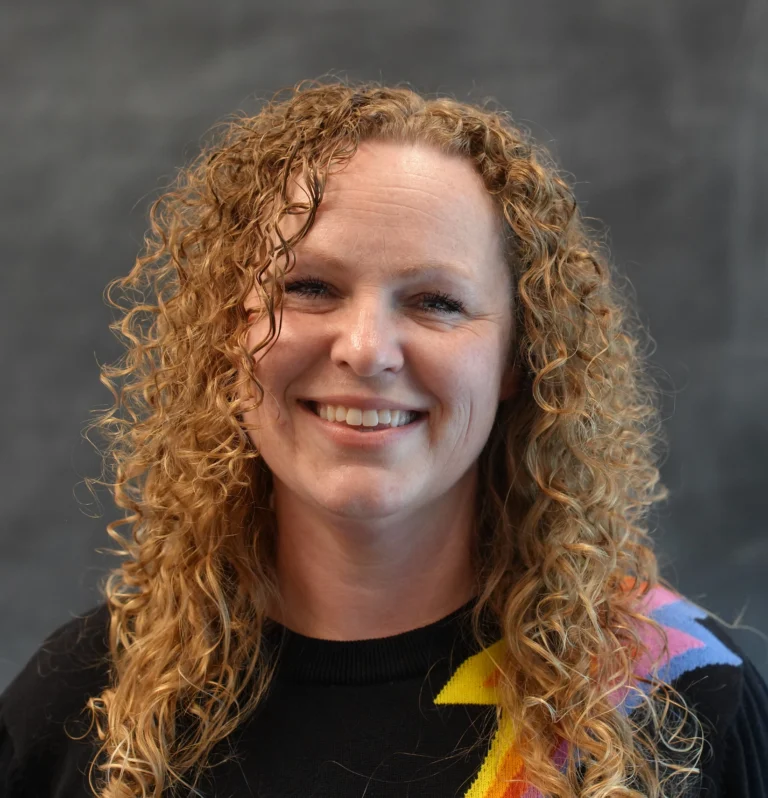
Cate Blouke PhD, CADC-R
Cate is a Certified Alcohol and Drug Counselor (CADC-R) who holds a PhD in English from the University of Texas at Austin, and is an Associate Certified Coach from the International Coaching Federation. She has been in recovery since 2010, bringing both clinical training and lived experience to her work facilitating the Women’s IOP program.
About Tree House Recovery In Portland
Tree House Recovery has provided outpatient addiction treatment in Portland, Oregon since 2017. We are accredited by the Joint Commission and licensed by the Oregon Health Authority for substance use disorder treatment.
Our approach emphasizes physical empowerment, community, and long-term sustainable recovery, brought to women’s outpatient care in a setting designed to feel safe, supportive, and genuinely transformative.
We believe women deserve treatment that honors the full complexity of their lives. That is what we built.
Call Admissions: (503) 850-2474
Sources
- Substance Abuse and Mental Health Services Administration. TIP 51: Substance Abuse Treatment: Addressing the Specific Needs of Women. SAMHSA, 1 Nov. 2015, www.samhsa.gov/resource/ebp/tip-51-substance-abuse-treatment-addressing-specific-needs-women
- Giménez-Meseguer, Jorge, et al. “The Benefits of Physical Exercise on Mental Disorders and Quality of Life in Substance Use Disorders Patients. Systematic Review and Meta-Analysis.” International Journal of Environmental Research and Public Health, vol. 17, no. 10, 23 May 2020, p. 3680, National Library of Medicine, www.ncbi.nlm.nih.gov/pmc/articles/PMC7277811/